 العربية
Study abroad at Seoul
Overview
Country
South KoreaPopulation
9,600,000
Universities
40
Summer / Winter Temperature
Humid continental monsoon: 22°C–30°C / Winter: -6°C–3°C (Four vibrant East Asian seasons)
Why study at Seoul
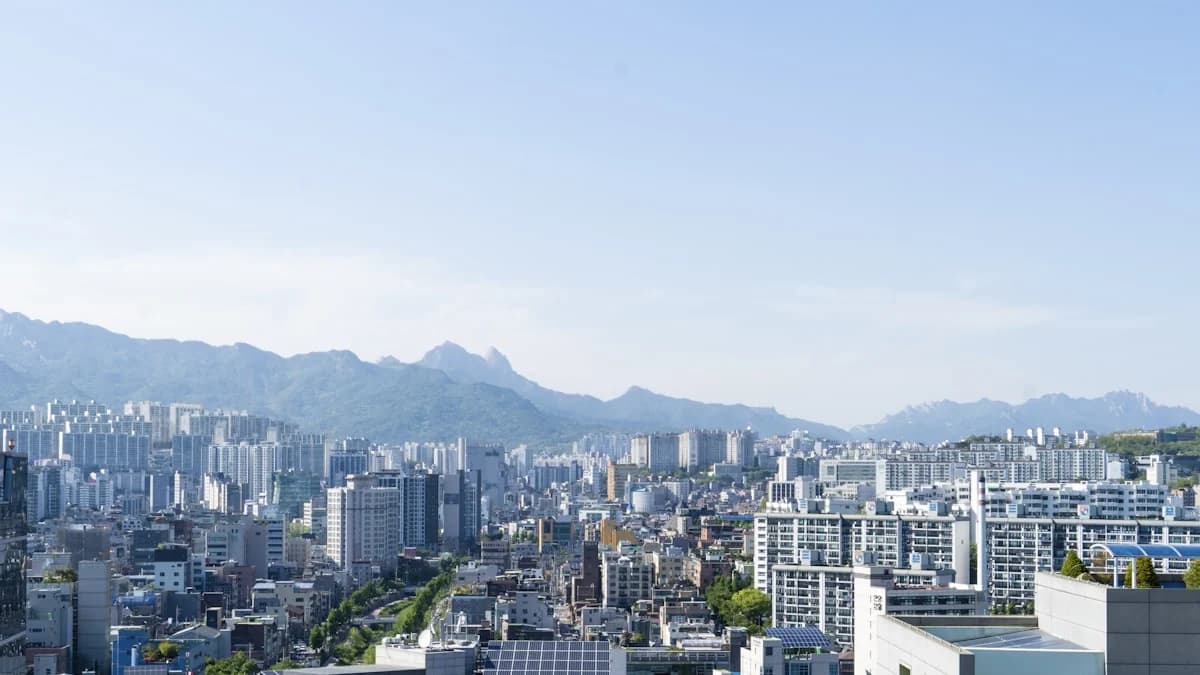
Seoul is the hyper-futuristic, culturally electrifying, and historic capital metropolis of South Korea and the economic and educational nerve center of East Asia, situated along the Han River surrounded by eight guardian mountains, home to Incheon International Airport (ICN - consistently voted the world's best airport). Globally celebrated for the iconic N Seoul Tower on Mount Namsan, the historic 14th-century Gyeongbokgung and Changdeokgung Royal Palaces, Dongdaemun Design Plaza (DDP - designed by Zaha Hadid), trendy fashion and entertainment districts (Gangnam, Hongdae, Myeongdong, Itaewon), the birthplace of the global 'Korean Wave' (Hallyu - K-pop, K-drama, and cinema), and its status as the world's most advanced 5G digital economy (anchoring global tech conglomerates Samsung Electronics, Hyundai Motor Group, LG, SK Telecom, Naver, and Kakao). Seoul is home to Asia's most prestigious universities, famously led by the elite 'SKY' trio: Seoul National University (SNU - established in 1946, the undisputed #1 flagship national university in South Korea, ranked #41 in the world by QS World University Rankings with over 28,000 students on the massive Gwanak Mountain campus, renowned for College of Engineering, College of Natural Sciences, SNU Business School AACSB-accredited, and College of Medicine), Yonsei University (established in 1885, ranked #76 in the world by QS, famed for the Underwood International College UIC - offering 100% English-taught liberal arts and STEM degrees, and Severance Hospital), Korea University (established in 1905, ranked #79 in the world by QS, renowned for Korea University Business School KUBS and College of Informatics), alongside Sungkyunkwan University (SKKU - Samsung-backed university established in 1398, ranked in the World Top 150), Hanyang University (leading engineering powerhouse), and KAIST Seoul. Degrees are taught in Korean and 100% English. International students benefit from affordable tuition fees, generous fully funded Global Korea Scholarships (GKS - covering 100% tuition, monthly stipend, and airfare), Seoul Metropolitan Subway (world's #1 subway system), and the D-2 Student Visa with post-study D-10 job seeker visas.
Fees
Tuition fees in Seoul for international students at top universities (Seoul National University, Yonsei, Korea University, SKKU) range between KRW 4,500,000 and KRW 7,500,000 (approx. $3,300 to $5,600 USD) per semester (totaling $6,600 to $11,200 USD per academic year) for Engineering, Computer Science, and Business Administration (with the Korean Government GKS Scholarships covering 100% tuition plus KRW 1,000,000/month living stipend, and universities awarding 30% to 100% International Merit Tuition Waivers based on TOPIK Korean scores and GPA). Postgraduate Master's degrees range from $7,000 to $12,500 USD per year. Modern on-campus university student residences (SNU: Gwanaksa Dormitories; Yonsei: SK Global House and International House; Korea University: CJ I-House - fully furnished student suites with high-speed Wi-Fi, utilities, and fitness centers) cost between KRW 350,000 and KRW 650,000 (approx. $260 to $480 USD) per month (inclusive of utilities), while private student rooms (Gosiwon / One-room studios) in Hongdae, Sinchon, and Sillim range from $300 to $600 USD per month. General monthly living expenses range between $650 and $1,100 USD (very affordable for a global mega-capital).
Cost of Living
| Category | Cost (South Korean won) |
|---|---|
| University on-campus student residence (SNU Gwanaksa / Yonsei SK Global House - monthly with utilities & high-speed internet) | ₩370 |
| Rent, 1-bed private apartment (One-Room) in Gangnam / Hongdae / Sinchon / Mapo | ₩650 |
| Student private room / Gosiwon in Sillim / Sinchon / Anam (near SNU & KU campuses) | ₩320 |
| Utilities (heating ondol, electricity, gas, water - private flat) | ₩93 |
| Internet (gigabit fiber optic high-speed home broadband unlimited - KT/SK Broadband/LG U+) | ₩25 |
| Mobile phone plan (unlimited high-speed 5G data & calls - SK Telecom/KT/LG U+) | ₩38 |
| Monthly public transport & Seoul Metropolitan Subway / T-Money pass (World's #1 integrated subway and rapid bus transit system with student transfer discounts) | ₩53 |
| Monthly grocery & student dining budget (E-Mart / Lotte Mart / Homeplus / GS25 / University Cafeterias) | ₩335 |
| Coffee / Beverage in café near SNU Student Center / Hongdae / Sinchon | ₩4 |
| Cinema ticket (CGV IMAX Yongsan / Megabox COEX Gangnam - student discount) | ₩9 |
Admission requirements
Secondary School Certificate / Academic Transcripts & University Direct Application
Certified secondary school graduation certificate and official transcripts with certified English or Korean translation and Apostille/Consular legalization submitted via the SNU, Yonsei, or Korea University international admissions portal (both applicant and parents must hold non-Korean citizenship).
Language Proficiency (English: IELTS/TOEFL for English degrees / Korean: TOPIK for Korean degrees)
For 100% English-taught programs (e.g., Yonsei UIC, SNU Global): IELTS Academic (minimum 6.5+) or TOEFL iBT (85+). For Korean-taught programs: Test of Proficiency in Korean TOPIK Level 3 to Level 5. Direct Korean Language Institute (KLI) pathways available on campus.
Student Visa
International non-Korean students require a South Korean Student Visa (D-2 Visa). Key requirements include: official Standard Certificate of Admission (CoA) issued by Seoul National University, Yonsei, or Korea University, proof of financial maintenance funds (minimum $20,000 USD deposited in a personal bank account for universities in Seoul as mandated by the Ministry of Justice), Certificate of Graduation and Transcripts with Apostille, clean tuberculosis (TB) medical test certificate from a designated hospital, and valid passport. Upon arrival in Seoul, the student registers at the Korea Immigration Service to receive the Alien Registration Card (ARC / Residence Card). International students have the legal right to work part-time up to 25 hours per week during term time and unlimited hours during holidays. Graduates qualify for the D-10 Job Seeker Visa for up to 2 years.
How to Study
Choose your degree program at Seoul National University (World #41 QS), Yonsei University (#76 QS - UIC English College), Korea University (#79 QS), or SKKU.
Submit your online application via the university international admissions portal with transcripts, Apostille, and language scores (or apply for the Global Korea Scholarship GKS).
Receive your official Certificate of Admission (CoA) and pay the tuition fee.
Apply for your South Korean D-2 Student Visa at the Korean Embassy or Consulate.
Receive your visa and fly to Incheon International Airport (ICN - direct 45 min AREX express train straight to Seoul Station).
Check into your Gwanaksa or SK Global House residence hall, complete ARC registration at the Seoul Immigration Office, and attend International Student Orientation.